.png)
The Ultimate Guide to Choosing Commercial Epoxy Flooring for Performance and Durability
When selecting flooring for commercial or industrial spaces, durability and performance are top priorities. Floors must withstand heavy foot traffic, machinery, spills, and frequent cleaning without losing their integrity or appearance. Among the many options available, commercial epoxy flooring stands out as a reliable, long-lasting solution. This guide explores why epoxy floors are a smart choice, how the system works, and compares epoxy with other flooring options to help you make an informed decision.

What Makes Commercial Epoxy Flooring Ideal for Performance Spaces
Epoxy flooring is a resinous coating applied over concrete floors to create a seamless, hard surface. It is widely used in warehouses, factories, retail stores, and healthcare facilities because it offers:
High durability: Epoxy coatings resist abrasion, impact, and heavy loads.
Chemical resistance: They withstand spills from oils, solvents, and cleaning agents.
Easy maintenance: The smooth surface cleans quickly and resists stains.
Aesthetic appeal: Available in various colors and finishes to match branding or design needs.
Safety features: Options include anti-slip additives and high visibility coatings.
These qualities make epoxy flooring a top choice for businesses seeking a floor that performs well under demanding conditions.
How the Epoxy Flooring System Works
The epoxy flooring system involves several layers applied in sequence:
Surface preparation: The concrete slab is cleaned, repaired, and mechanically abraded to ensure proper adhesion.
Primer coat: A primer seals the concrete and improves bonding.
Epoxy base coat: This layer provides the bulk of the strength and durability.
Top coat: A clear or colored finish protects the base coat and adds gloss or texture.
The entire system cures to form a tough, continuous surface that bonds chemically to the concrete below. This bond prevents peeling or cracking common with other floor coverings.
Types of Epoxy Top Coats and Their Benefits
Choosing the right top coat depends on your facility’s needs:
Glossy finish: Enhances brightness and makes cleaning easier.
Matte or satin finish: Reduces glare in brightly lit areas.
Anti-slip finish: Adds texture to prevent slips in wet or oily environments.
UV-resistant finish: Protects floors exposed to sunlight from yellowing or fading.
Each option balances aesthetics, safety, and maintenance requirements.
Other Commercial Flooring Solutions to Consider
While epoxy flooring excels in performance, other options may suit specific needs:
Vinyl flooring: Offers good durability and is easier to install but lacks the chemical resistance and seamless finish of epoxy.
Concrete polishing: Enhances the existing concrete surface but does not provide the protective layer epoxy does.
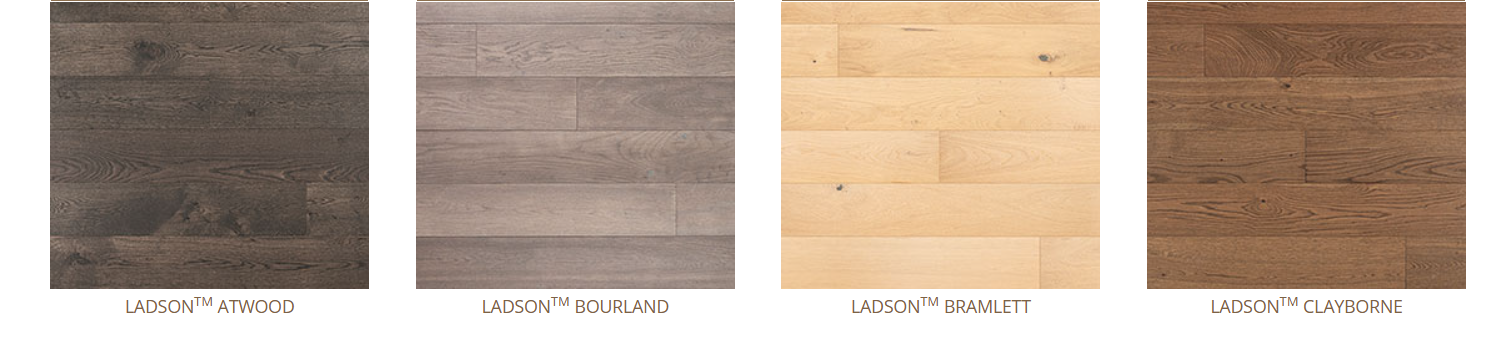
Hardwood flooring: Rarely recommended for commercial or industrial use due to poor resistance to moisture, impact, and heavy traffic.
For performance-focused environments, epoxy and other resinous floors outperform traditional materials like hardwood or vinyl.
Why Hardwood Flooring Falls Short in Commercial Settings
Hardwood floors may look attractive but struggle in commercial spaces because:
They scratch and dent easily under heavy use.
Moisture and spills cause warping and damage.
Maintenance requires refinishing and special care.
They lack chemical and stain resistance.
In contrast, epoxy floors provide a tough, low-maintenance surface that holds up to industrial demands.
Finding the Right Epoxy Flooring Contractors Near Columbus
Choosing experienced flooring contractors is crucial to ensure proper installation and long-term performance. Look for contractors who:
Specialize in commercial epoxy flooring.
Have a proven track record with industrial-grade epoxy systems.
Offer a variety of flooring solutions tailored to your needs.
Provide clear timelines and warranties.
Use high-quality materials and follow industry best practices.
Local contractors near Columbus can offer personalized service and quick response times for ongoing maintenance.
High Performance Flooring for Industrial and Commercial Use
Industrial-grade epoxy floors are designed to meet the toughest requirements:
Resistance to heavy machinery and forklifts.
Protection against chemical spills and stains.
Ability to withstand thermal shock and moisture.
Long lifespan with minimal upkeep.
These floors reduce downtime and repair costs, making them a cost-effective investment.
Maintenance Tips for Epoxy Floors
To keep epoxy floors looking and performing their best:
Clean spills promptly to avoid staining.
Use non-abrasive cleaning agents.
Avoid harsh chemicals that can degrade the top coat.
Schedule regular inspections to catch damage early.
Reapply top coats as recommended by your contractor.
Proper maintenance extends the life of your flooring and preserves its appearance.


Comments